
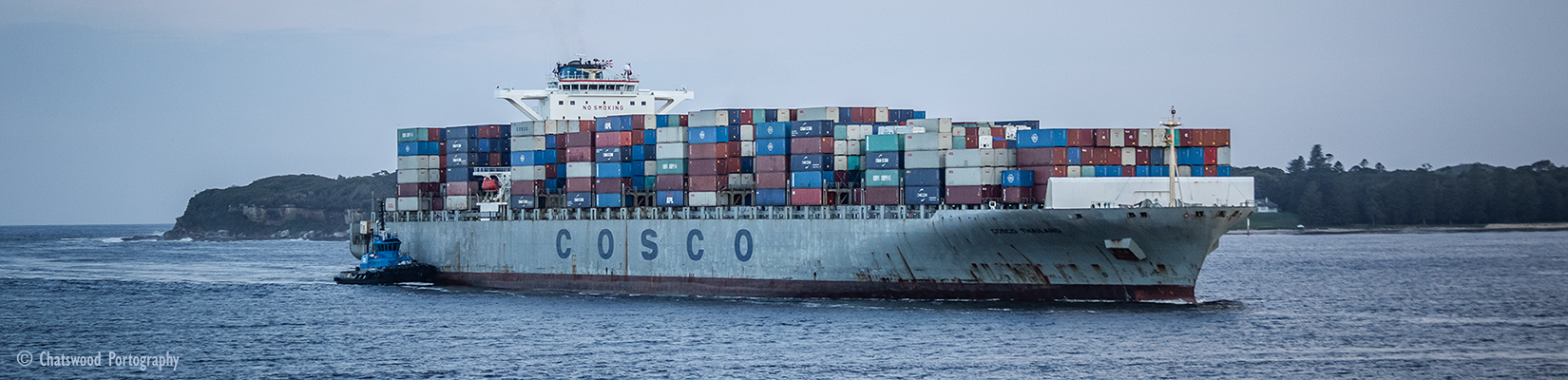

Seafarer Connect has proudly reached a major milestone with the provision of fifty free WiFi units in ports across Australia. With the Seafarer Happiness index falling in September, the work of Seafarer Connect in improving communication and welfare for the thousands of international seafarers who visit Australian ports every year has never been more urgent.
For many seafarers, access to reliable internet is not a luxury but a basic human need. The ability to stay in touch with loved ones, access online banking, tele-health or simply to catch up on news from home is essential to seafarers’ mental health and wellbeing. Too often, seafarers report being denied adequate access to communication facilities. WiFi access on board is frequently limited, expensive, or reserved for operational use only.
According to the Seafarer Happiness Index report released in October 2025, “…connectivity directly impacts family relationships and mental health, with seafarers describing internet access as essential for ‘calling my family regularly’ and maintaining daily contact with loved ones.” The report’s authors also noted that wide variability in internet access across vessel types and contexts persisted globally.
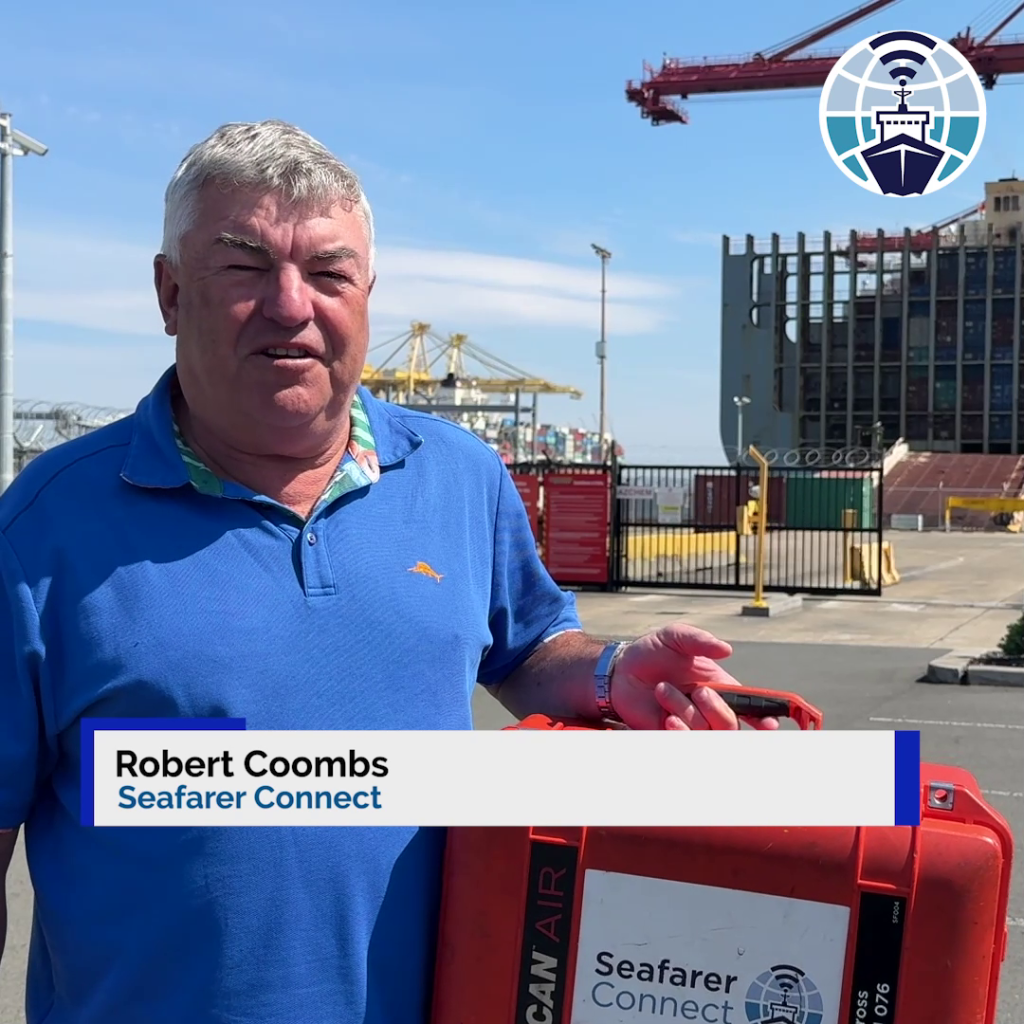
“Reaching 50 WiFi units is a huge achievement, but it also reminds us that there is more work to do,” said Robert Coombs, Managing Director of Seafarer Connect. “Seafarers tell us that WiFi access remains unreliable, patchy, or restricted. Our goal is to make digital connectivity possible and affordable for every seafarer visiting an Australian port”
Building the Network
Seafarer Connect has partnered with Australian telecommunications company Claratti to deliver the CrewMate Lite WiFi unit, which is designed specifically for the maritime industry. The unit is lightweight, durable, and powerful enough to provide strong connectivity through steel bulkheads. Each device can support multiple users at once and is provided to crews on visiting vessels at no cost.
The program began in New South Wales just before the COVID-19 pandemic. Ports including Newcastle, Sydney, and Port Botany now have around two dozen units that are delivered and retrieved by Port Authority and stevedoring staff. From these beginnings, Seafarer Connect has expanded into Queensland, Victoria, South Australia, and Western Australia, steadily building a network of digital access for visiting crews.
Collaboration and Support
This achievement has been made possible through strong partnerships and ongoing financial support. Seafarer Connect acknowledges the contributions of the ITF Seafarers’ Trust, the NSW Ports and Port of Newcastle Seafarer Welfare Fund, and the Victorian Government. Their support has played a crucial role in helping the program expand into new ports.
“We are very grateful for the continued support of our partners and funders,” Coombs said. “Their commitment shows that seafarer welfare is being recognised as an essential part of Australia’s maritime industry.”
In Victoria, Seafarer Connect has worked with the Melbourne Seafarers Centre to distribute units across key terminals, with opportunities for further expansion already identified. In South Australia, Flinders Ports are trialling Seafarer Connect units to strengthen local facilities. Mission to Seafarers in Gladstone and Geraldton have also been valuable partners in extending the program, with Geraldton marking the 50th installed unit nationwide.
A Global Fight Against Exploitation
This milestone comes as the International Transport Workers’ Federation (ITF) continues its global campaign to combat modern slavery and exploitation aboard international ships. Many crews arriving in Australian ports face harsh working conditions, unpaid wages, or contract breaches. Reliable connectivity allows seafarers to contact unions, welfare agencies, and their families, reducing their vulnerability to abuse and isolation.
“Connectivity is not only about comfort,” Coombs said. “It is about safety, dignity, and human rights. When seafarers can reach their families or report mistreatment, they are better able to protect themselves.”
Looking Ahead
The Tas Bull Seafarers Foundation, which operates the Seafarer Connect project, is committed to ensuring that every Australian port can offer WiFi access to visiting crews. Continued cooperation between unions, governments, port authorities, stevedores and welfare organisations will make that goal achievable.
“We invite all ports and terminals that do not yet have a WiFi program to get in touch,” Coombs said. “Together, we can make sure every seafarer who comes to Australia can connect with their loved ones and with the wider world.”